

In the previous two posts, I discussed the educational path that most people associate with Toastmasters, that of becoming a competent communicator. There’s another educational path that is just as important, that of becoming a competent leader. This educational program is one of the reasons why enlightened corporations encourage their members to participate in Toastmasters; indeed, some of them even have their own onsite Toastmasters clubs.
1. Competent Leadership educational program
The leadership track is at a first glance similar to that of the educational track, except there is no GOLD level.
Figure 1. Leadership Educational Program Track Progression
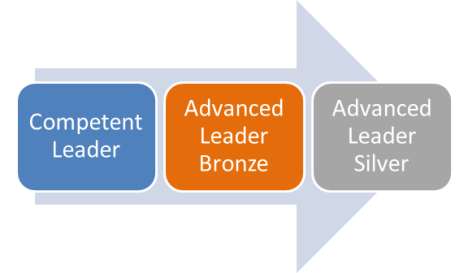
Figure 2. Leadership Educational Program Track Requirements

2. Competent Leader
The first level of leadership is done by completing 10 leadership projects as follows:
Figure 3. Competent Leader Projects 1 through 10
| Project Number | Project Name |
|
1 |
Listening |
|
2 |
Critical Thinking |
|
3 |
Giving Feedback |
|
4 |
Time Management |
|
5 |
Planning and Implementation |
|
6 |
Organization and Delegation |
|
7 |
Facilitation |
|
8 |
Motivation |
|
9 |
Mentoring |
|
10 |
Team Building |
Each of these leadership projects concentrates on a specific skill needed for effective leadership, and these skills are practiced by performing for each project a number of roles in the club. I have composted a list of the roles that one can perform in the club and indicated which projects they can be utilized for. The solid circles represent a role which is obligatory for the project; a hollow circle is the symbol for a role which can be used for the project. Most projects can be completed by only doing a certain number of the potential roles for the project, such as 3 out of 4 possible roles. The total number of roles required for each project is given in the bottom column.
Figure 4. Competent Leader Projects 1 through 10–Requirements
| Project Number | 1 | 2 | 3 | 4 | 5 | 6 | 7 | 8 | 9 | 10 |
| Ah-Counter | ○ | |||||||||
| Befriend a Guest | ○ | |||||||||
| General Evaluator | ○ | ○ | ○ | ○ | ○ | ○ | ||||
| Grammarian | ○ | ○ | ○ | ○ | ||||||
| Speaker | ○ | ○ | ||||||||
| Speech Evaluator | ○ | ○ | ○ | ○ | ||||||
| Table Topics Speaker | ○ | |||||||||
| Timer | ● | |||||||||
| Toastmaster | ○ | ○ | ○ | ○ | ||||||
| Topicsmaster | ○ | ○ | ○ | |||||||
| Chair Club Special Event | ○ | |||||||||
| Chair a Membership Campaign | ● | ○ | ||||||||
| Mentor a Club Member | ● | |||||||||
| Organize Club Special Event | ● | |||||||||
| Total Number of Roles to be Done | 3 | 2 | 3 | 2 | 3 | 1 | 2 | 3 | 1 | 1 or 2* |
* The 10th project can be completed by being the chair of a membership campaign or other club event OR by doing both roles of being a Toastmaster and General Evaluator
So if you add up all the roles you must do, there are 21 or 22 roles required for one to complete all 10 projects.
Tomorrow I will post about Advanced Leadership training that is available from Toastmasters International, and will include some Frequently Asked Questions regarding the leadership program.
Filed under: Uncategorized |
 4squareviews
Leave a comment